
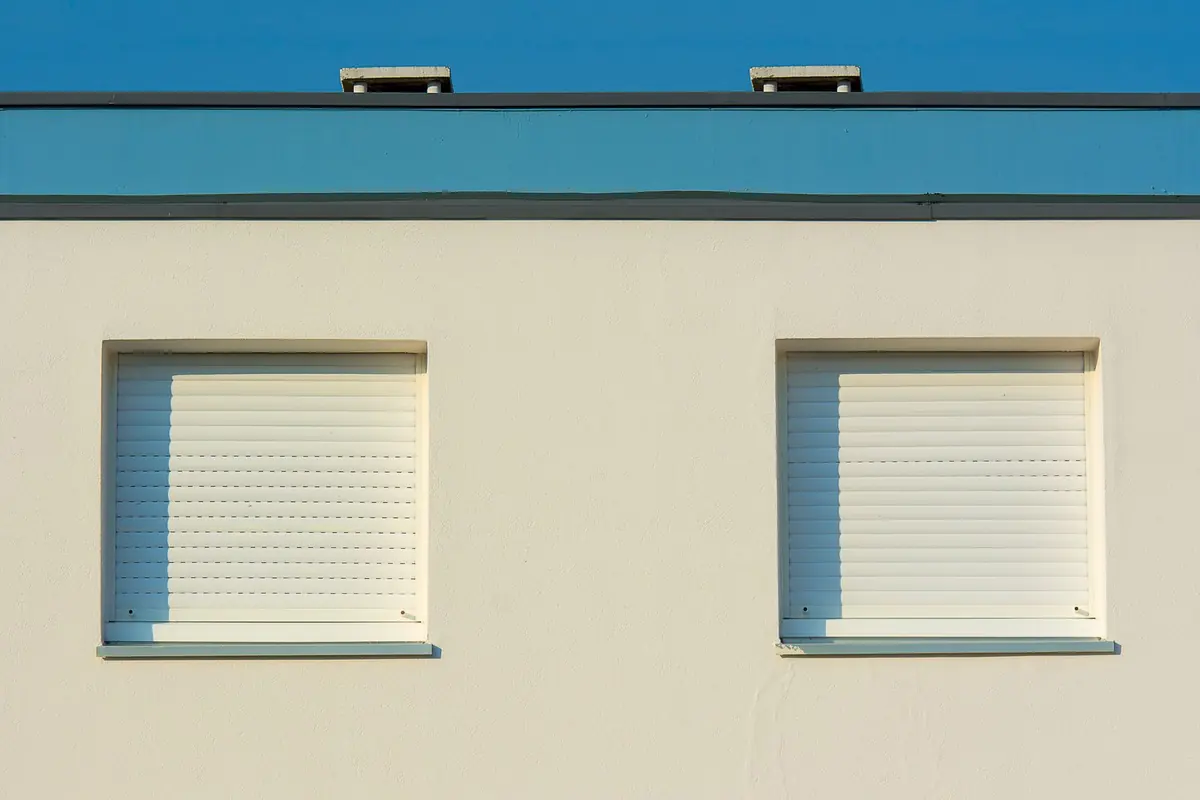
In short: hurricane shutters in Cape Coral cost roughly $10–$20 per square foot for aluminum storm panels, $15–$30 for accordions and $25–$60 for manual roll-downs, installed. The City of Cape Coral's shutter permit is a flat $107 (2026 fee schedule). They meet the same opening protection requirement as impact glass, for less money, as long as someone is there to close them.
Shutters or impact glass?
Both satisfy the Florida Building Code. The real difference is who does the work when a storm turns toward Southwest Florida. Impact windows protect the house every hour of the year with nobody home. Shutters only work once they are closed, which in Cape Coral matters more than in most places: a large share of homes here belong to seasonal owners who are up north from May to November, right through hurricane season.
| Question | Shutters | Impact glass |
|---|---|---|
| Cost per opening | Lower | Higher |
| Work before a storm | Close every opening | None |
| Protects with nobody home | Only if someone closes them | Yes |
| Daylight during a storm | Dark (except clear panels) | Normal |
| Everyday benefits | Some shade (Bahama, roll-down) | Noise, UV and break-in resistance |
A lot of owners end up with both: impact windows on the street side and the bedrooms, and shutters over the widest lanai sliders where impact glass costs the most. We price it both ways at the measure so you can see the trade-off in dollars.
The five shutter types we fit
Storm panels
Corrugated aluminum or clear polycarbonate panels that bolt or slide into tracks above and below each window. They are the cheapest protection by far. The catch is storage space and labor: a full set for an average house fills a corner of the garage, and putting them up is a two-person job with a ladder.
Accordion shutters
Interlocking aluminum blades that stay folded at each side of the opening and draw closed along a track, then lock in the middle. They are the most common choice on Cape Coral lanais because one person can close a wide slider in a minute or two, and nothing has to be carried out of the garage.
Roll-down shutters
Slats that roll into a box mounted above the window, lowered with a crank or a motor. They cost the most of any shutter but take seconds to close, which makes them the usual answer for second-floor windows, openings above a pool deck and homes owned by people who are not always nearby. Motorized units need a manual override for power outages, and we fit one.
Bahama and colonial shutters
Hinged shutters that stay open as a decorative feature and close over the window in a storm. Bahama shutters prop open from the top and shade the glass all year; colonial shutters swing in from the sides. Only rated products count as storm protection, so check before you buy a shutter that looks the part.
Fabric storm screens
Coated fabric panels that anchor over large openings, mostly sliders and lanai screens. They are light and quick to store, and a reasonable option where a rigid shutter would be awkward.
What goes into a proper install
- Product approval for each opening. Every shutter system is tested for a maximum span and wind pressure. We size each one against your opening, not against a catalog photo.
- Anchors into the structure. On a Cape Coral block home that means masonry anchors set at the spacing the approval specifies, not screws into stucco.
- Clearance. Accordions and roll-downs need room to stack or roll. Window sills, light fixtures, hose bibs and gutters often decide which type fits where.
- Permit and inspection. We pull the permit, and the inspector checks the product and the anchors before it is closed out.
If you leave for the summer
Shutters only help when they are closed. If you will be away for hurricane season, arrange in advance for a neighbor, property manager or house-watch service to close them, and leave clear instructions and any keys or cranks where they can find them. Some owners simply close every shutter in May and open them again in November. That works, though it leaves the house dark and makes it obvious nobody is home. Roll-downs on a timer or remote, or impact glass, avoid the problem altogether.
What hurricane shutters cost
Shutters are priced by the square foot of opening they cover, with a minimum per opening for small windows. Motorized roll-downs are quoted per opening because the motor is a large part of the price.
| Item | Estimate | What it covers |
|---|---|---|
| Storm panels, aluminum | $10–$20 per sq ft | Stored in the garage and fastened up before a storm |
| Storm panels, clear polycarbonate | $6–$20 per sq ft | Lighter panels that let daylight in |
| Fabric storm screens | $5–$15 per sq ft | Coated fabric anchored over sliders and large openings |
| Accordion shutters | $15–$30 per sq ft | Fixed beside the opening, pulled closed and locked |
| Roll-down shutters, manual crank | $25–$60 per sq ft | Housed in a box above the opening |
| Roll-down shutters, motorized | $1,500–$4,000 per opening | Same, with a switch or remote and a manual override |
| Bahama shutters | $20–$35 per sq ft | Prop-open storm shutters that shade the glass all year |
| Colonial shutters | $25–$35 per sq ft | Hinged side panels that close over the window |
These shutter prices are planning estimates from Florida installer and national pricing, not a quote. Your price is fixed in writing after we measure, and permit fees are listed on it separately.
For impact glass instead, see hurricane impact windows and the full Cape Coral price guide. For the large lanai openings, compare against impact sliding glass doors.
Hurricane shutter questions
Which hurricane shutters are best for a Cape Coral home?
For most houses, accordions on the big lanai openings and the windows you can reach, and roll-downs on second-floor or hard-to-reach glass. Storm panels suit owners who are home all season and have somewhere to store them. If nobody will be there to close shutters when a storm comes, impact glass is the safer choice.
Do hurricane shutters need a permit in Cape Coral?
Yes. Permanently mounted shutters are permitted through the City of Cape Coral, and the shutter system must carry a Florida Product Approval for the size and wind load of each opening. We apply for the permit and book the inspection.
Do shutters count for the wind mitigation discount?
They can. The opening protection question on a wind mitigation inspection looks at every glazed opening, garage doors and glass entry doors included, and the rating follows the weakest one. Shutters or impact glass need to cover every opening to earn the top rating.
How long do shutters take to close before a storm?
A roll-down takes seconds per opening. An accordion takes a minute or two each. Storm panels for a whole house can take a couple of people most of an afternoon, so plan for that before the first watch is issued.
Last updated October 8, 2026